Taking Aspirin and Other Antiplatelets Safely: Care Instructions
Overview
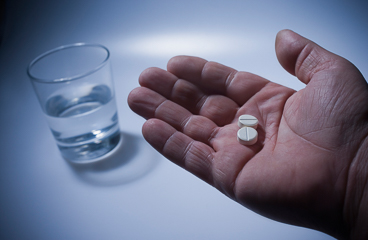
Aspirin and other antiplatelet medicines help prevent blood clots from forming. They can help some people
lower their risk of a heart attack or stroke.
But these medicines can also make you more likely to bleed. That's why it's important to talk to your doctor
before you start taking aspirin every day. It's not right for everyone. And if you and your doctor decide
these medicines are right for you, learn how to take them safely.
If you take aspirin, be sure you know how to take it. Your doctor can tell you what dose to take and how
often to take it. If you take another antiplatelet, take it as prescribed.
Follow-up care is a key part of your treatment and safety. Be sure to make and go to all
appointments, and call your doctor if you are having problems. It's also a good idea to know your test results
and keep a list of the medicines you take.
How can you care for yourself at home?
-
Before you start to take daily aspirin or some other antiplatelet, tell your doctor all the medicines,
vitamins, herbal products, and supplements you take.
-
Tell your doctors, dentist, and pharmacist that you take an antiplatelet.
-
Take your medicine as your doctor directs. Make sure that you understand exactly what your doctor wants
you to do. If another doctor says to stop taking the medicine for any reason, talk to the doctor who
prescribed it before you stop.
-
Take your medicine at the same time every day.
-
Do not chew or crush the coated or time-release forms of your medicine.
-
If you miss a dose, don't take an extra dose to make up for it.
-
Ask your doctor whether you can drink alcohol. And ask how much you can drink. When you take an
antiplatelet, drinking too much raises your risk for liver damage and stomach bleeding.
-
If you are pregnant, are breastfeeding, or plan to become pregnant, talk to your doctor about what
medicines are safe.
-
Talk with your doctor before you take a pain medicine. Many pain medicines have aspirin. Too much aspirin
can be harmful.
-
Wear medical alert jewelry. This lets others know that you take an antiplatelet. You can buy it at most
drugstores.
-
Try to avoid injuries that might make you bleed. For example, be careful when you exercise and when you
play sports. Make your home safe to reduce your risk of falling.
When should you call for help?
 Call 911
anytime you think you may need emergency care. For example, call if:
Call 911
anytime you think you may need emergency care. For example, call if:
Call your doctor now or seek immediate medical care if:
Watch closely for changes in your health, and be sure to contact your doctor if you have
any problems.
Current as of: June 24, 2023
Content Version: 14.0
Care instructions adapted under license by your
healthcare professional. If you have questions about a medical condition or this instruction, always ask
your healthcare professional. Healthwise, Incorporated disclaims any warranty or liability for your use of
this information.