Tubo-Ovarian Abscess: Care Instructions
Overview
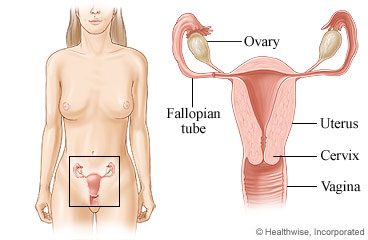
A tubo-ovarian abscess is a pocket of pus. It forms because of an infection in a fallopian tube and ovary. A
tubo-ovarian abscess is most often caused by pelvic inflammatory disease (PID).
Your doctor will prescribe antibiotics to treat the abscess. A very large abscess or one that does not go
away after antibiotic treatment may need to be drained. Sometimes surgery is used to remove the infected tube
and ovary.
Follow-up care is a key part of your treatment and safety. Be sure to make and go to all
appointments, and call your doctor if you are having problems. It's also a good idea to know your test results
and keep a list of the medicines you take.
How can you care for yourself at home?
-
Take your antibiotics as directed. Do not stop taking them because you feel better. You need to take the
full course of antibiotics.
-
Rest until you feel better.
-
Take anti-inflammatory medicines to reduce pain. These include ibuprofen (Advil, Motrin) and naproxen
(Aleve). Be safe with medicines. Read and follow all instructions on the label.
-
Use a hot water bottle or a heating pad set on low for belly pain.
-
Do not have sex or use tampons (use pads instead) until you have taken all the medicine, your pain is
gone, and you feel completely well.
-
Talk to any sex partners you have had in the past 2 months. They need to be tested and may need to be
treated for a sexually transmitted infection (STI).
When should you call for help?
 Call 911
anytime you think you may need emergency care. For example, call if:
Call 911
anytime you think you may need emergency care. For example, call if:
Call your doctor now or seek immediate medical care if:
Watch closely for changes in your health, and be sure to contact your doctor if:
Current as of: November 27, 2023
Content Version: 14.0
Care instructions adapted under license by your
healthcare professional. If you have questions about a medical condition or this instruction, always ask
your healthcare professional. Healthwise, Incorporated disclaims any warranty or liability for your use of
this information.