Giardiasis in Children: Care Instructions
Overview
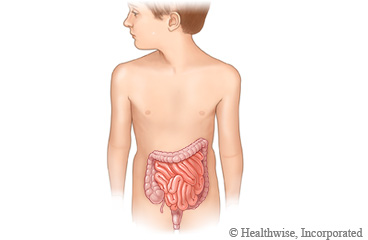
Giardiasis (say "jee-ar-DYE-uh-sus") is an infection of the intestines caused by the parasite Giardia
lamblia. The illness is also called giardia (say "jee-AR-dee-uh").
This illness can cause diarrhea, stomach cramps, gas, and nausea. Your child may feel sick for a few weeks
and then get better. Or the symptoms may come and go for some time. Sometimes there are no symptoms.
Your child may become infected if your child eats food or drinks water that has human or animal waste in it.
In the United States and Canada, a child can get it by drinking untreated water from wells, streams, rivers,
and lakes. Your child also can get sick from having close contact with someone who is infected with giardia,
such as workers in a day care center.
Follow-up care is a key part of your child's treatment and safety. Be sure to make and go to all
appointments, and call your doctor if your child is having problems. It's also a good idea to know your
child's test results and keep a list of the medicines your child takes.
How can you care for your child at home?
-
If your doctor prescribes medicine, have your child take it as directed. Call your doctor if you think
your child is having a problem with a medicine.
-
Talk to your doctor if your child is having problems with milk and milk products. Some children with
giardia have trouble digesting milk products.
-
Give your child lots of fluids. This is very important if your child is vomiting or has diarrhea. Give
your child sips of water or drinks such as Pedialyte or Infalyte. These drinks contain a mix of salt, sugar,
and minerals. You can buy them at drugstores or grocery stores. Give these drinks as long as your child is
throwing up or has diarrhea. Do not use them as a sole source of liquids or food for more than 24 hours.
-
Watch for and treat signs of dehydration, which means that the body has lost too much water. As your child
becomes dehydrated, thirst increases, and the mouth may feel very dry. Your child may have sunken eyes with
few or no tears when crying. Your child may also lack energy and want to be held a lot. And your child will
not need to urinate as often as usual.
-
If your child has diarrhea, offer small amounts of food when they feel like eating.
-
Do not give your child over-the-counter antidiarrhea or upset-stomach medicines without talking to your
doctor first. Do not give Pepto-Bismol or other medicines that contain salicylates, a form of aspirin, or
aspirin. Aspirin has been linked to Reye syndrome, a serious illness.
To help prevent giardia
-
Do not let your child drink untreated or unpurified water. If you or your child is camping or hiking, boil
or purify water from lakes and streams before drinking it.
-
When your child travels in high-risk areas, have your child drink bottled water and avoid raw fruits and
vegetables. Do not let your child drink beverages containing ice cubes.
-
Have your child wash their hands often to prevent getting sick from an infected person. Be sure your child
washes their hands after using the toilet and before eating.
When should you call for help?
 Call 911
anytime you think your child may need emergency care. For example, call if:
Call 911
anytime you think your child may need emergency care. For example, call if:
Call your doctor now or seek immediate medical care if:
Watch closely for changes in your child's health, and be sure to contact your doctor if:
Current as of: June 12, 2023
Content Version: 14.0
Care instructions adapted under license by your
healthcare professional. If you have questions about a medical condition or this instruction, always ask
your healthcare professional. Healthwise, Incorporated disclaims any warranty or liability for your use of
this information.