Nephrotic Syndrome in Children: Care Instructions
Overview
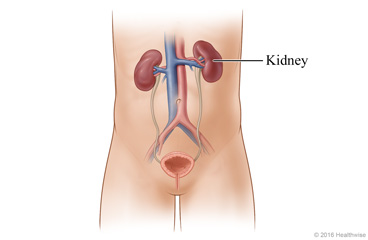
Healthy kidneys remove wastes from the blood. They also help balance water, salt, and mineral levels in the
blood. Nephrotic syndrome is a sign that your child's kidneys aren't working right. When your child has this
kidney problem, there will be high levels of protein in the urine. There may also be low levels of protein and
high levels of cholesterol in the blood.
The most common symptom is swelling around the eyes or in the feet or ankles. Your child may also have foamy
urine or weight gain from fluid buildup. The syndrome also increases the risk of infections.
The main cause of nephrotic syndrome in children is minimal change disease. In this disease, tiny blood
vessels in the kidneys are damaged. They don't filter blood as they should. Nephrotic syndrome can also be
caused by some infections and other diseases that affect the kidneys.
Which treatment your child gets depends on what is causing the syndrome. The doctor might prescribe
medicines. Your child might also need other treatments if the syndrome is causing other health problems. These
problems may include high or low blood pressure, or infections caused by bacteria.
Follow-up care is a key part of your child's treatment and safety. Be sure to make and go to all
appointments, and call your doctor if your child is having problems. It's also a good idea to know your
child's test results and keep a list of the medicines your child takes.
How can you care for your child?
Work with your doctor
-
If your doctor prescribed medicines, give them as prescribed. Keep giving them even after your child
starts to feel better. Call your doctor if you think your child is having a problem with a medicine.
-
See the doctor regularly to have your child's kidney function checked.
-
Make sure your doctor knows about all the medicines, vitamins, or herbal supplements your child takes.
This means anything your child takes with or without a prescription.
-
Make sure your child gets a flu shot each year. Your child should also get any other shots your doctor
suggests.
Care for your child at home
-
Cut down on salt in your child's food. This can reduce the amount of water your child's body retains and
can help treat the swelling.
-
Follow your doctor's advice for the amounts of protein and potassium your child needs.
-
Having nephrotic syndrome increases your child's risk for infections like peritonitis or respiratory and
skin infections. Here are some tips to help your child stay healthy:
-
Wash your hands after changing diapers and before you touch food. Have your child wash their hands
after using the toilet and before eating.
-
Avoid people who are sick.
-
Use mild soaps (such as Dove or Cetaphil).
-
Use moisturizing lotion after your child bathes. You can use it more often if the skin is dry.
Choose a lotion with no alcohol.
When should you call for help?
 Call 911
anytime you think your child may need emergency care. For example, call if:
Call 911
anytime you think your child may need emergency care. For example, call if:
Call your doctor now or seek immediate medical care if:
Watch closely for changes in your child's health, and be sure to contact your doctor if:
Current as of: October 11, 2023
Content Version: 14.0
Care instructions adapted under license by your
healthcare professional. If you have questions about a medical condition or this instruction, always ask
your healthcare professional. Healthwise, Incorporated disclaims any warranty or liability for your use of
this information.