Learning About Blood Transfusions
What is a blood transfusion?
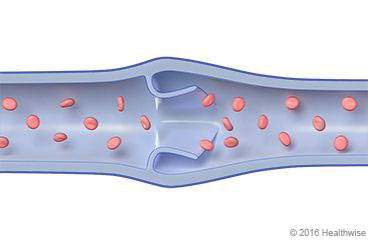
Blood transfusion is a medical treatment to replace the blood or parts of blood that your body has lost. The
blood goes through a tube from a bag to an intravenous (I.V.) catheter and into your vein.
You may need a blood transfusion after losing blood from an injury, a major surgery, an illness that causes
bleeding, or an illness that destroys blood cells.
Transfusions are also used to give you the parts of blood—such as platelets, plasma, or substances that cause
clotting—that your body needs to fight an illness or stop bleeding.
How is a blood transfusion done?
Before you receive a blood transfusion, your blood is tested to find out what your blood type is. Blood or
blood parts that are a match with your blood type are ordered by your doctor. Blood is typed as A, B, AB, or
O. It is also typed as Rh-positive or Rh-negative.
Your blood is also screened to look for antibodies that might react with the blood that is given to you. The
blood you are getting is checked and rechecked to make sure that it's the right type for you.
A sample of your blood is mixed with a sample of the blood you will receive to check for problems. Before
actually giving you the transfusion, a doctor and nurses will look at the label on the package of blood and
compare it to your hospital ID bracelet and medical records. The transfusion begins only when all agree that
this is the correct blood and that you are the correct person to receive it.
To receive the transfusion, you will have an intravenous (I.V.) catheter inserted into a vein. A tube
connects the catheter to the bag containing the blood, which is placed higher than your body. The blood then
flows slowly into your vein. A doctor or nurse will check you several times during the transfusion to watch
for a reaction or other problems.
What are the possible risks?
Blood transfusions have many benefits and are often life-saving. But they also have a few risks. Possible
risks include:
-
Your body's reaction to receiving new blood. This may include:
-
An infection from the blood. This risk is small because of the strict rules placed on handling and storing
blood. Getting a viral infection, such as HIV or hepatitis B or C, through blood transfusions has become
very rare. The U.S. Food and Drug Administration (FDA) enforces strict guidelines on the collection,
testing, storage, and use of blood.
-
Getting the wrong blood type by accident. Severe reactions, which can be life-threatening, are very rare.
-
An infection at the transfusion site, such as redness, swelling, pain, bleeding, or pus.
How can you care for yourself at home?
To prevent infection at the transfusion site
-
Wash the area daily with warm, soapy water, and pat it dry. Don't use hydrogen peroxide or alcohol, which
can slow healing. You may cover the area with a gauze bandage if it weeps or rubs against clothing. Change
the bandage every day.
-
Keep the area clean and dry.
When should you call for help?
Call 911 anytime you think you may need emergency care. For example, call if:
Call your doctor now or seek immediate medical care if:
-
You have new or worse trouble breathing.
-
You are dizzy or lightheaded, or you feel like you may faint.
-
You have a fever or chills.
-
You have chest pain, back pain, or pain in the flank, which is just below the rib cage and above the waist
on either side of the back.
-
You have blood in your urine.
-
You have abnormal bleeding, such as:
-
You have little to no urine when you try to urinate.
-
You have belly pain, nausea, vomiting, or diarrhea.
-
You have signs of an allergic reaction, such as hives, swelling, or a new rash.
-
You have signs of an infection at the transfusion site, such as redness, swelling, pain, bleeding, or pus.
-
You feel weaker or more tired than usual.
-
You have a yellow tint (jaundice) to your skin or the whites of your eyes.
Watch closely for changes in your health, and be sure to contact your doctor if you have any problems.
Follow-up care is a key part of your treatment and safety. Be sure to make and go to all
appointments, and call your doctor if you are having problems. It's also a good idea to know your test results
and keep a list of the medicines you take.
Current as of: December 13, 2023
Content Version: 14.0
Care instructions adapted under license by your
healthcare professional. If you have questions about a medical condition or this instruction, always ask
your healthcare professional. Healthwise, Incorporated disclaims any warranty or liability for your use of
this information.